

Long evenings. Singing crickets. Warm breezes. Summer gives us some of the year’s most beautiful moments—but it can quietly steal some of your best sleep. Here’s why, and a few gentle ways to get it back.
 The Curious Case of Summer Sleep
Summer feels magical. Days stretch on, gardens burst with life, windows stay open late, and the world seems reluctant to go to bed.
Unfortunately, your body responds to those longer days, too.
If you’ve been tossing and turning, waking too early, or feeling less refreshed despite enough sleep, you’re not imagining it.
Summer can quietly sabotage your sleep.
 Your Body Responds to the Light-Dark Cycle

Our bodies evolved to follow the rhythm of daylight and darkness. It worked beautifully for thousands of years.
As daylight fades, your body begins producing melatonin—often called the sleep hormone. Melatonin doesn’t make you fall asleep. Instead, it signals that night has arrived and it’s time to unwind.
In July, daylight lingers well into the evening. Even indoors, extra light through the windows tells your body it isn’t bedtime yet.
Then, just a few hours later, the early sunrise begins signalling that morning has arrived.
Your internal clock simply follows the light.
 Heat Is the Hidden Sleep Thief
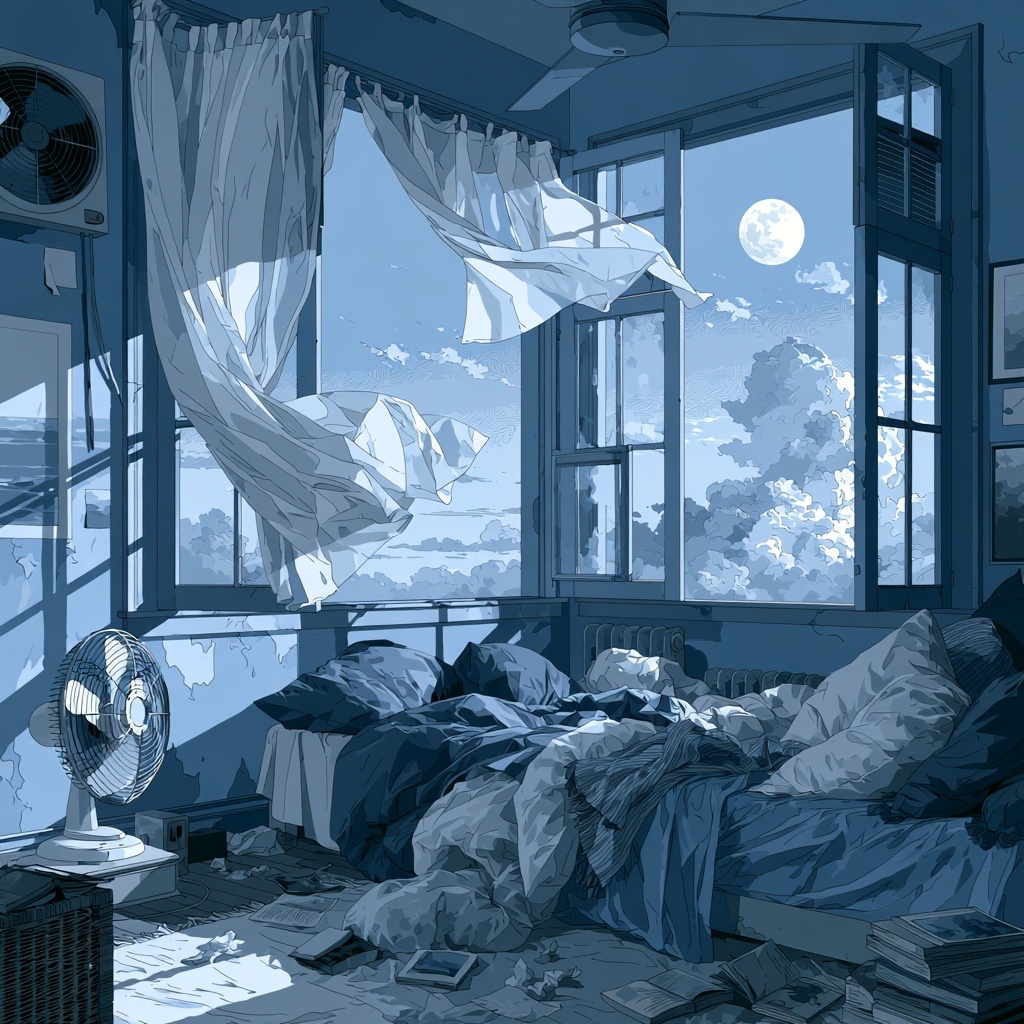
Your body cools itself to fall asleep.
A warm room makes that cooling process harder, often leading to lighter sleep, more tossing and turning, and waking during the night.
Simple changes can help:
- Keep your bedroom cool.
- Use lightweight bedding.
- Open windows once the evening air cools.
- Run a fan to keep air moving.
Sometimes lowering the temperature by only a couple of degrees makes a remarkable difference.
Morning Light Arrives Earlier Than You Think
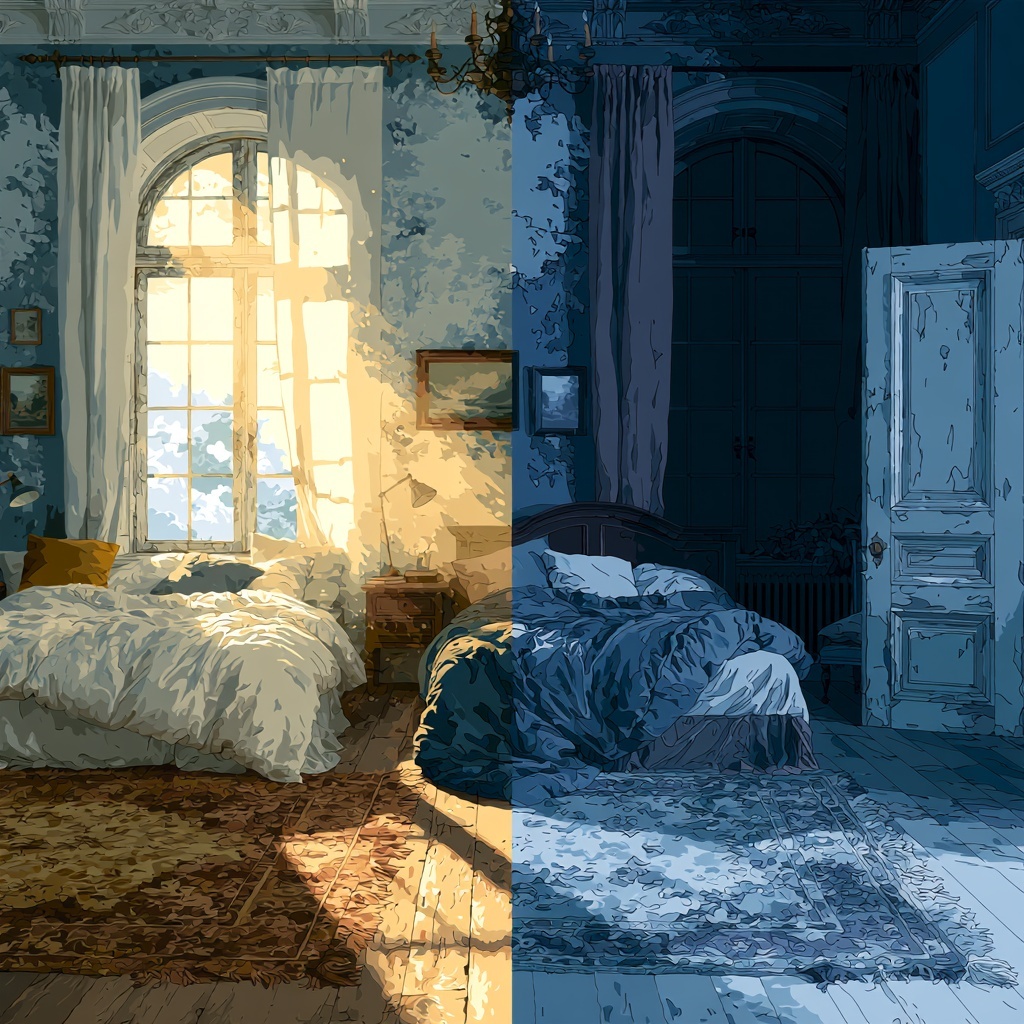
Even with your eyes closed, your body notices light.
A surprisingly small amount filtering through curtains can begin signalling that morning has arrived.
If you regularly wake much earlier during summer, early sunlight may be the reason.
Creating a darker sleep environment helps your body remain in “night mode” until you’re ready to wake naturally.
 Small Evening Habits Make a Big Difference

Summer invites us outdoors, and that’s something worth embracing. Give your body a gentle runway into sleep.
A few simple habits can help:
- Take an evening walk as the sun begins to set.
- Dim lights after sunset.
- Put phones and tablets away 30–60 minutes before bed.
- Avoid large meals and alcohol for several hours before bed.
- Keep a regular bedtime—even on weekends.
Your body loves routines far more than calendars.
 Don’t Forget Darkness
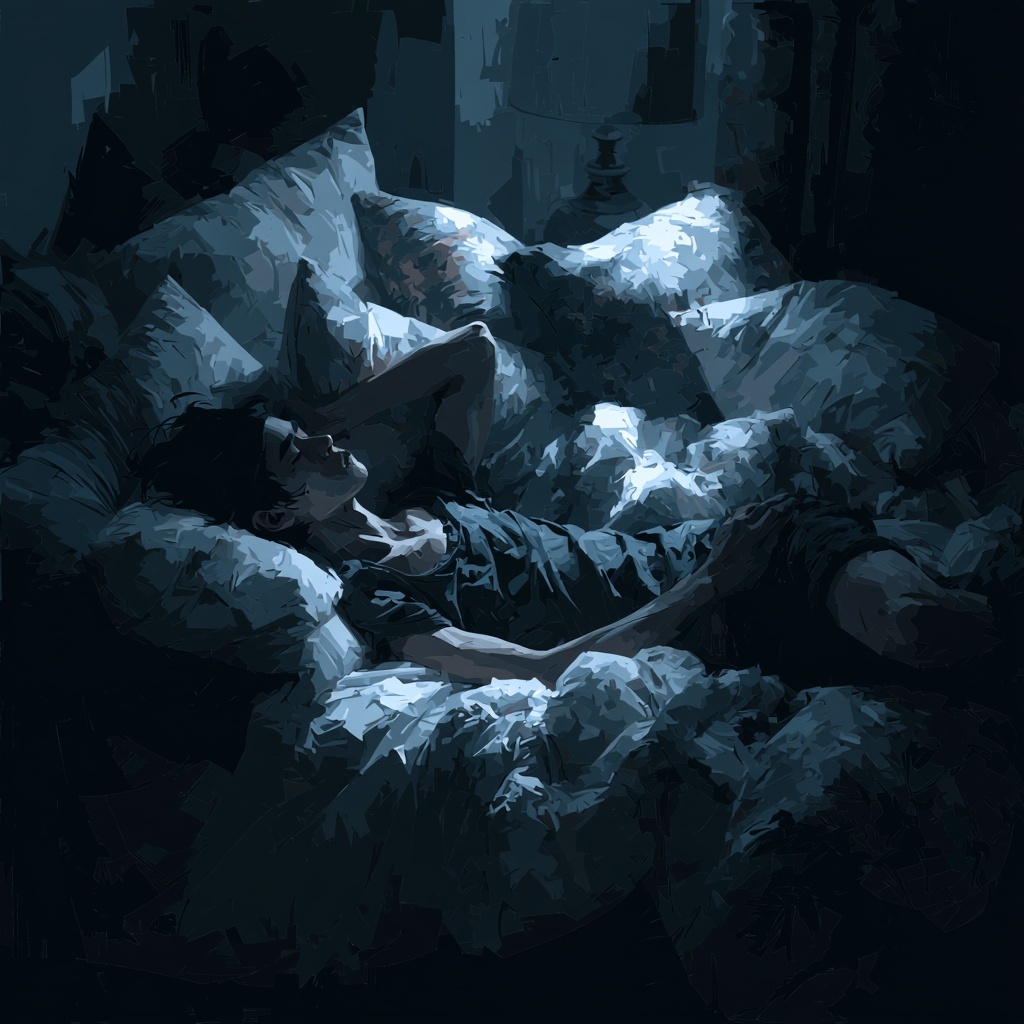
People often focus on mattresses, pillows, supplements, or white noise.
But one of the most powerful sleep aids is also one of the simplest:
Darkness.
A darker room helps your body recognize that night has arrived and supports your natural sleep cycle.
It’s one of nature’s simplest ways to support healthy sleep.
 A Gentle Thought Before Bed
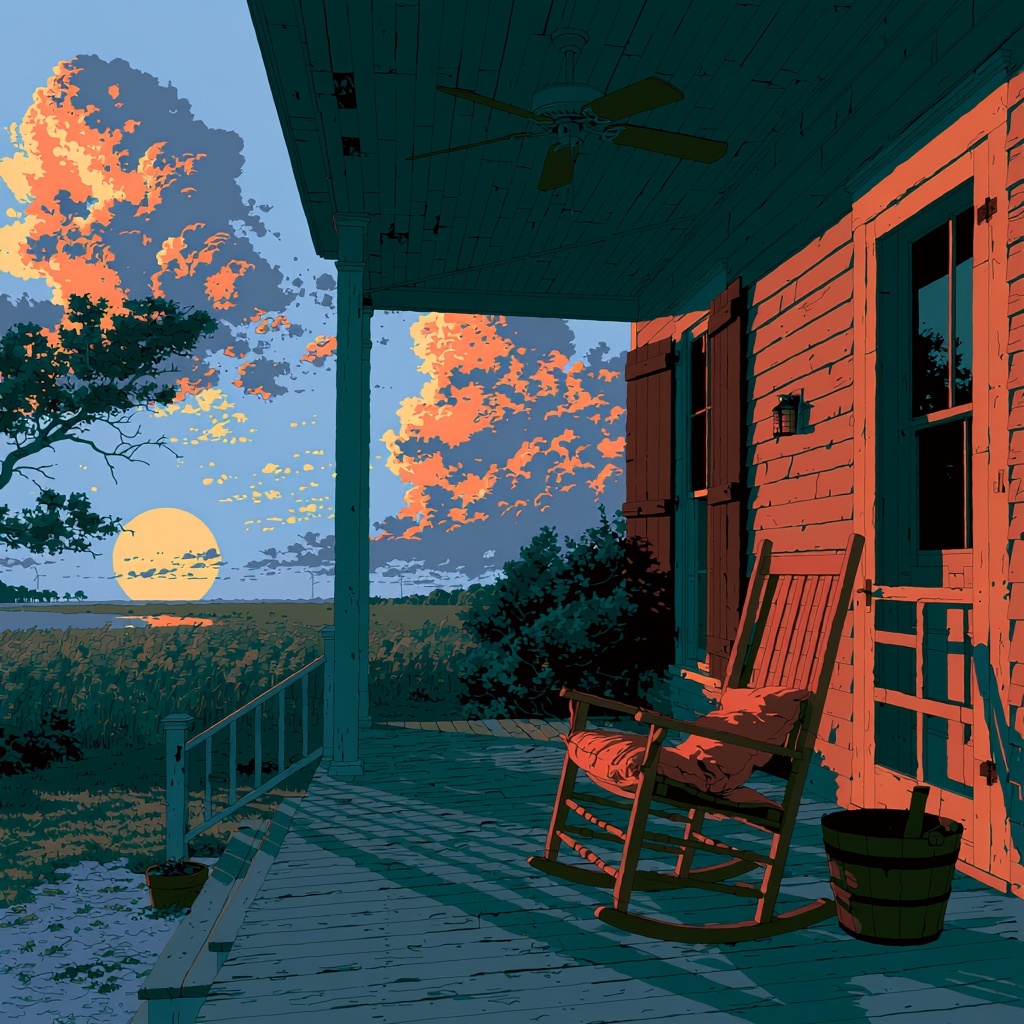
Summer asks us to linger just a little longer.
Watch one more sunset.
Sit on the porch just a little while longer.
Listen to one more chorus of crickets.
Then, when it’s finally time to sleep, give yourself permission to leave the day behind.
Cool the room.
Darken your world.
Close your eyes.
Tomorrow’s sunshine will still be waiting.
Sleep well.
Sleep Tip of the Month
If your bedroom feels too warm, chill your pillowcase in a sealed bag in the refrigerator for 20–30 minutes before bed. It’s a simple trick that feels wonderfully cool on a hot summer night.
 Share the Sleep Journal

Know someone who’s struggling with summer sleep?
Forward this issue of the Sleep Journal to someone who could use better sleep. If they enjoy cozy sleep tips and the occasional dreamy story, invite them to subscribe and join us each month.
Until next month…
Sleep deeply. Dream kindly.
Live Yourself to Sleep.